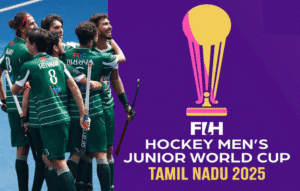
Pakistan withdraws from Junior World Cup following the Pakistan Hockey Federation’s (PHF) decision to pull out of the highly anticipated tournament scheduled to take place in India. The PHF justified its move by insisting on a neutral venue, a request that was not accepted by the International Hockey Federation (FIH) or the host nation.
The decision has sent shockwaves through the international hockey community, underscoring the persistent political and sporting tensions between India and Pakistan — even at the junior level. The Pakistan Hockey Federation cited concerns over visa approvals and the overall atmosphere their players would face in India, despite the FIH’s assurances of standard safety and logistical arrangements.
According to PHF officials, the withdrawal was made to ensure “a fair and pressure-free environment” for their young players, emphasizing the importance of neutrality in international competitions. However, both FIH and Hockey India have maintained that India earned hosting rights through a rigorous process, with full guarantees for player safety and tournament integrity.
The absence of Pakistan — a team with a proud and storied history in the Junior Hockey World Cup — is a major blow to the tournament’s competitive balance and global appeal. The Indo-Pak hockey rivalry has always been one of the sport’s most iconic fixtures, and its absence diminishes the event’s intensity.
This withdrawal also sparks concerns over the future of Pakistan’s participation in India-hosted sporting events, potentially setting a precedent that could affect regional cooperation in multiple sports. Reactions have been mixed: some applaud the PHF for prioritizing player welfare, while others criticize the move as politically motivated and detrimental to the development of Pakistan’s emerging hockey talent.
The FIH will now need to select a replacement team to fill the gap, ensuring the tournament retains its full lineup. However, for Pakistan, the impact is significant. The Junior Hockey World Cup 2025 serves as a crucial platform for nurturing young talent, and missing this event could slow the progress of their junior players aspiring to join the senior national squad.
Analysts suggest that the PHF must now create alternative pathways, possibly through regional tournaments or bilateral series, to ensure continuity in player development. The situation once again highlights the delicate balance between sports and politics in South Asia and the persistent challenges of organizing international events in politically sensitive environments.
In essence, as Pakistan withdraws from Junior World Cup, the decision not only affects the competition itself but also raises broader questions about the intersection of diplomacy and sportsmanship in global hockey.